


Trauma-Focused Cognitive Behavioural Therapy for Psychosis (TF-CBTp)
Aiming to improve the lives of trauma survivors experiencing psychosis
BACKGROUND
Stressful, difficult or traumatic events are common in people experiencing psychosis. These can have a range of effects and get in the way of living life.
Trauma-focused talking therapy is recommended for people who are experiencing post-traumatic stress difficulties.
However, traumatic events and their effects are often not recognised in people experiencing psychosis. As a result, trauma-focused therapies are not always offered.
Our integrated trauma-focused therapy for psychosis (TF-CBTp) aims to address this by supporting recovery from trauma in people experiencing psychosis.
Why an integrated therapy is needed
THE STAR TRIAL
About the Study of Trauma and Recovery (STAR) trial
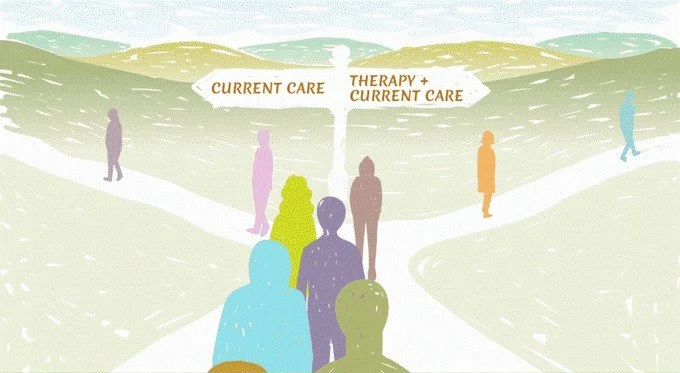
The STAR trial was an NIHR-funded trial that evaluated if TF-CBTp is safe, acceptable, and effective for people with distressing symptoms of PTSD and psychosis.
THE THERAPY
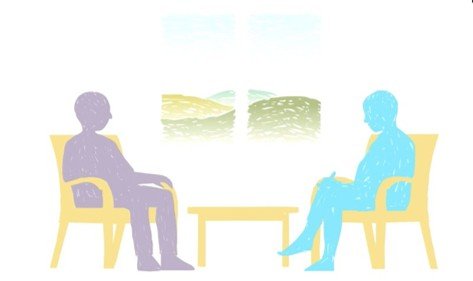
Trauma-Focused CBTp (TF-CBTp) is a type of Cognitive-Behavioural Therapy (also known as CBT) that helps people with psychosis to understand and learn to manage the common effects of trauma.
What is Trauma-Focused CBT for psychosis?
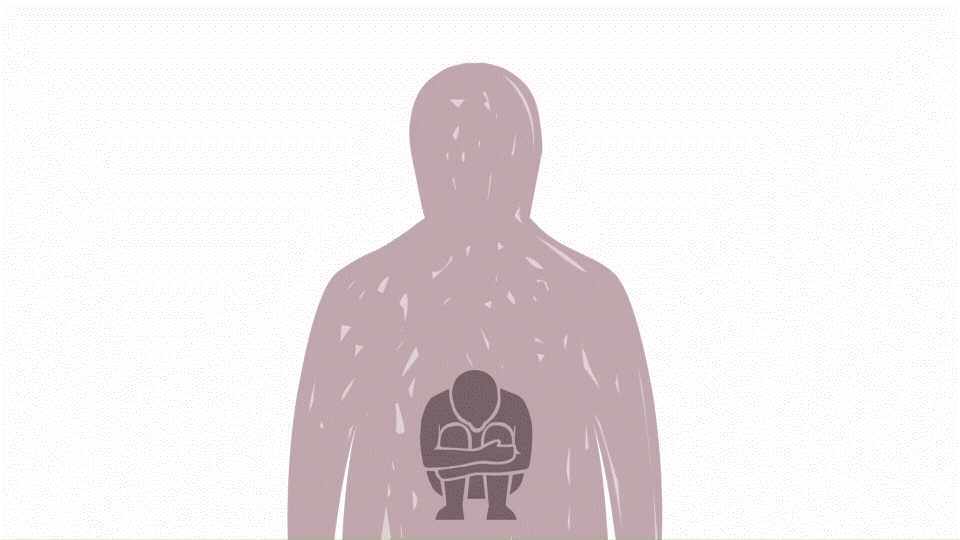
Memories, thoughts or nightmares about past events
Common effects of trauma include:
Feeling unsafe around others
Feeling jumpy or being easily startled
Upsetting feelings like depression, anger, shame or guilt
Feeling shut-off, detached, empty, or spaced out
Avoiding other people and places
Problematic use of alcohol, drugs, food or sex
Difficulties in relationships
Hearing voices, or having visions, smells or other sensations related to past trauma
TF-CBTp aims to help people feel better and rebuild their life. Typically, therapy follows these stages:
Finding out about difficulties and hopes for change during therapy
Learning about common effects of trauma
Understanding how the difficulties developed and what keeps them going
Trying out ways of managing problems differently
Helping traumatic memories and other distressing experiences such as voices and visions feel less overwhelming and more manageable
Making a plan for how to continue managing any problems after therapy has ended.
Testimonials
-
“It opened the door…
The STAR trial did what the other therapy didn’t, it took me back to the roots and it actually gave me an insight as to why things are happening...And it gave me confidence there is an opportunity to battle against these things.”
Peter, STAR participant
-
"It has been very rewarding, useful and life changing.
Before I would just have these memories and bottle things up until it overflows. With this therapy…you can stop, think, apply everything you have learnt. It’s more manageable and I keep on the bright side rather than on the dark side.”
Leena, STAR participant