

What was the Study of Trauma and Recovery (STAR) trial?
The largest multi-site randomised controlled trial (RCT) to date of a trauma-focused therapy for people with co-occurring diagnoses of psychosis and PTSD
Funded by the National Institute for Health and Care Research (NIHR) and led by researchers at King’s College London and South London and Maudsley NHS Foundation Trust (SLaM).
The STAR trial evaluated if a Trauma-Focused therapy integrated with Cognitive Behaviour Therapy for psychosis (TF-CBTp) is safe, acceptable, and effective for people with distressing symptoms of PTSD and psychosis
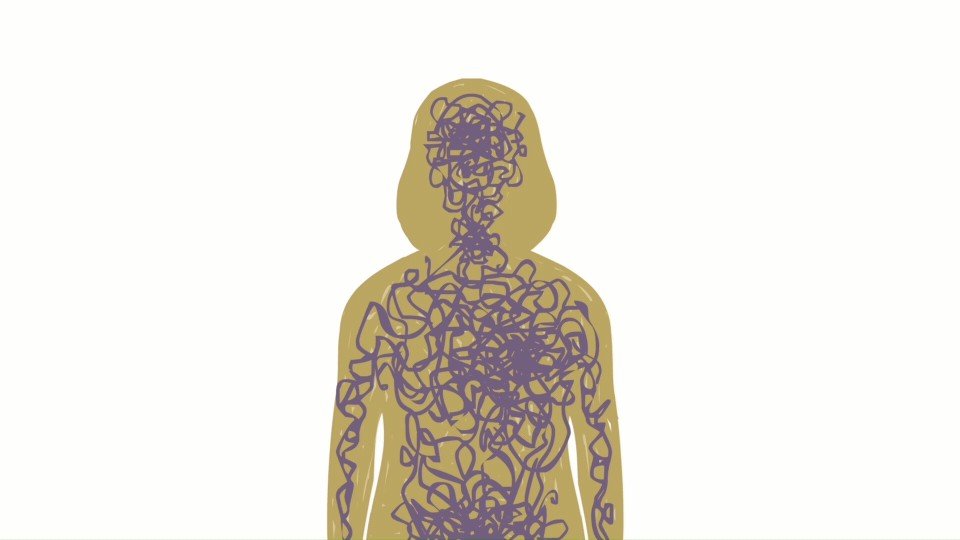
What we wanted to find out (Research Questions)
Mainly (Primary Research question):
Does TF-CBTp reduce PTSD symptoms (at the end of therapy) in people with distressing psychosis and PTSD symptoms?
And also (Secondary Research questions):
Does TF-CBTp reduce psychosis symptoms, distress and functioning problems?
Is this therapy acceptable to participants and to therapists?
Do the effects last?
Is it cost effective?
What happened in the STAR trial?
Who took part?
305 people who were at least 18 years old and who met diagnostic criteria for Post-traumatic Stress Disorder and were experiencing distressing symptoms of psychosis.
What did we do?
Participants were allocated randomly to either Trauma-Focused Cognitive Behaviour Therapy for psychosis (TF-CBTp) plus usual care, or usual care alone.
Therapy lasted around nine months with a trained therapist.
Following a baseline assessment, all participants were followed up at 4 (mid-therapy), 9 (end of therapy) and 24 months (15 months post therapy).
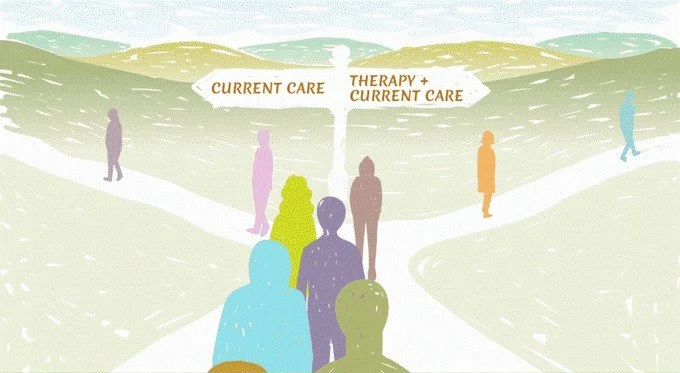
STAR trial protocol and analysis plans
STAR published protocol: Multi-site randomised controlled trial of trauma-focused cognitive behaviour therapy for psychosis to reduce post-traumatic stress symptoms in people with co-morbid post-traumatic stress disorder and psychosis, compared to treatment as usual: study protocol for the STAR (Study of Trauma And Recovery) trial. Peters E, Hardy A, Dudley R et al., (2022). Trials Read more
STAR Trial Protocol: Read more
STAR Statistical Analysis Plan (SAP): Read more
STAR Health Economics Analysis Plan (HEAP): Read more
STAR Serious Adverse Events form (version 7): Read more